Explore the possibilities
IX Water Markets
Our machines revolutionize wastewater recycling across millions of industries across the world
Oil & Gas
Coking
Chemicals
Landfill Leachate
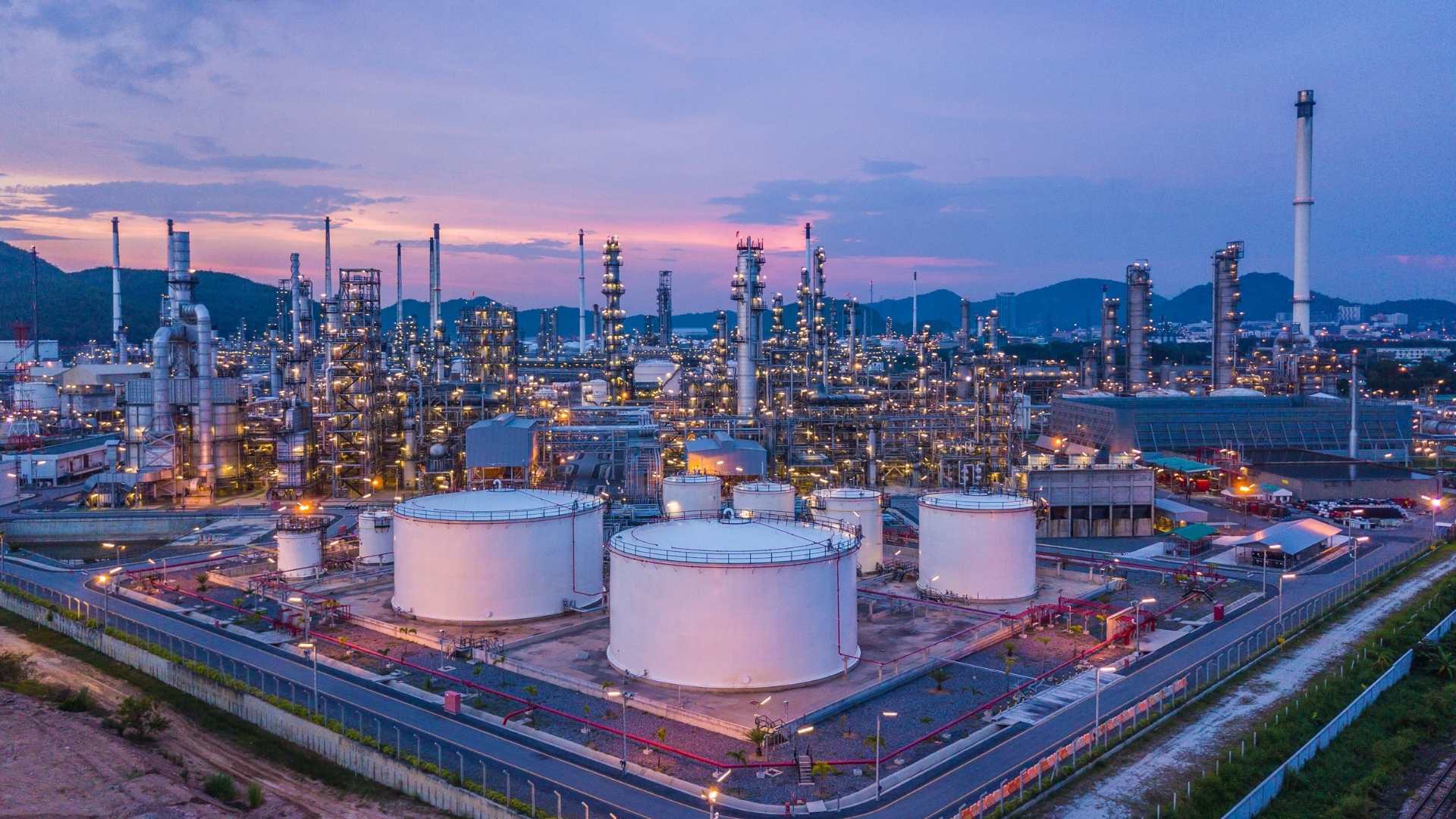
Oil & Gas
Oil & gas produced water is naturally occurring water brought up with oil and natural gas. This water contains a toxic mix of metals, organic hydrocarbons, metalloids, scalants, and other elements dangerous to humans and the environment.
While sand, mud, and free-floating oil and grease are easy to remove, the most difficult to remove compounds are those dissolved into the water; they often have no color, taste, or smell. Oil & gas produced water is traditionally left to evaporate or injected into deep underground wells.
Coking
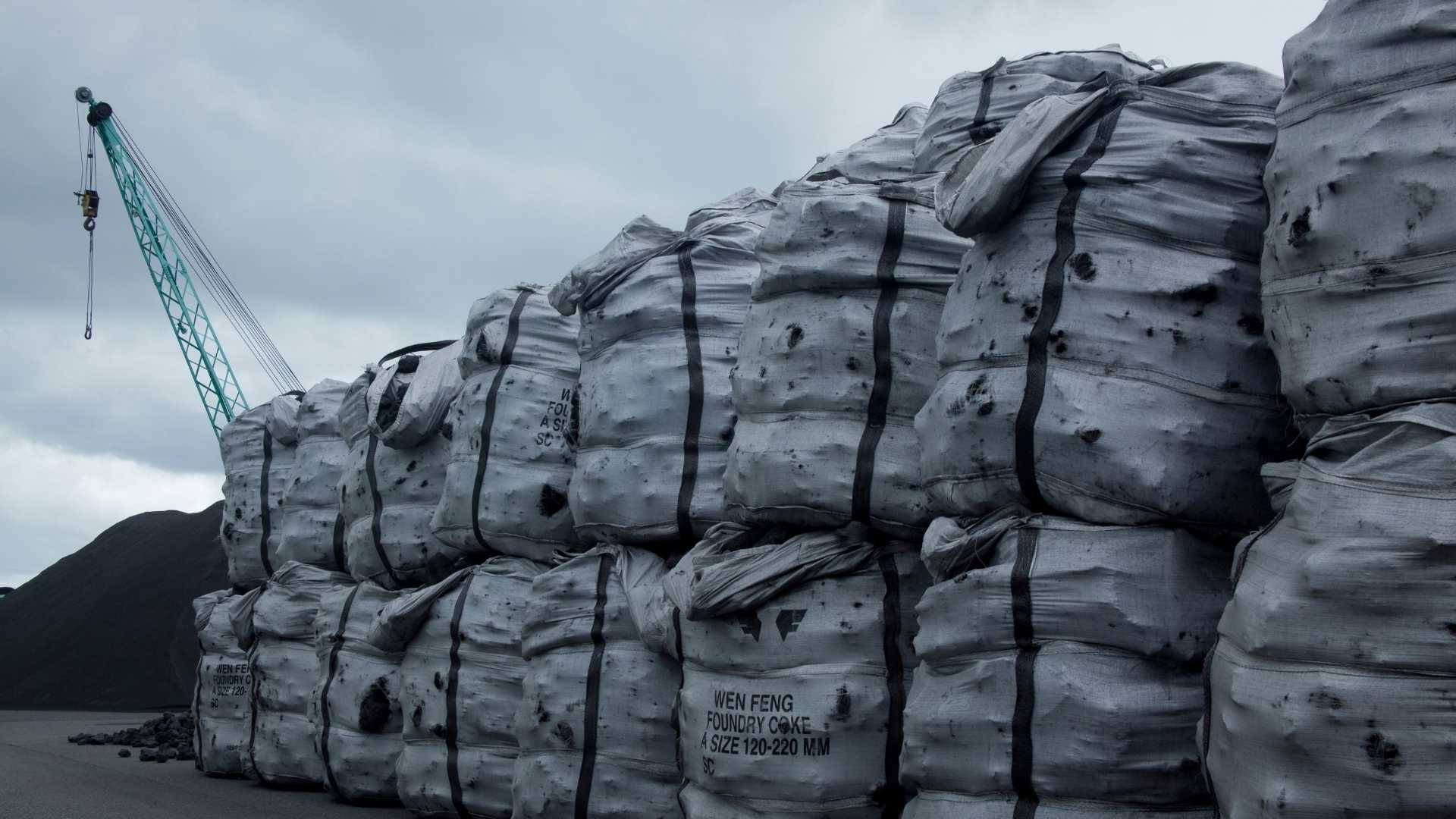
Coke is fuel with a high carbon content and few impurities. It can be synthesized by submitting coal to extremely high temperatures in airtight spaces and then quenching, or cooling the resulting coke. The water used to quench the coke becomes highly toxic upon accumulating carcinogens and other impurities released by the coal.
Chemicals
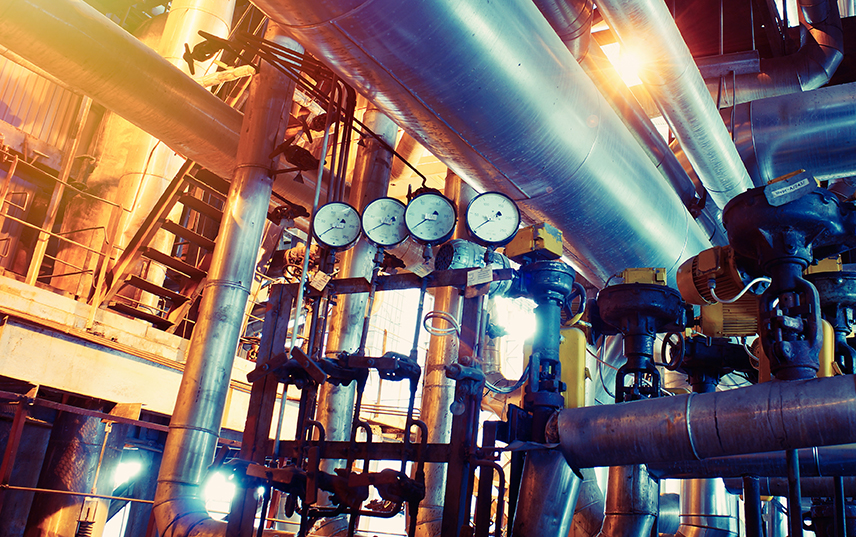
The chemical industry comprises the companies that produce industrial chemicals. Central to the modern world economy, it converts raw materials (oil, natural gas, air, water, metals, and minerals) into more than 70,000 different products. The plastics industry contains some overlap, as some chemical companies produce plastics as well as chemicals.
Wastewater from refining and manufacturing contain trace amounts of precursor plus resulting products, which includes metals, hydrocarbons, salts of both acid and base nature.
Landfill Leachate
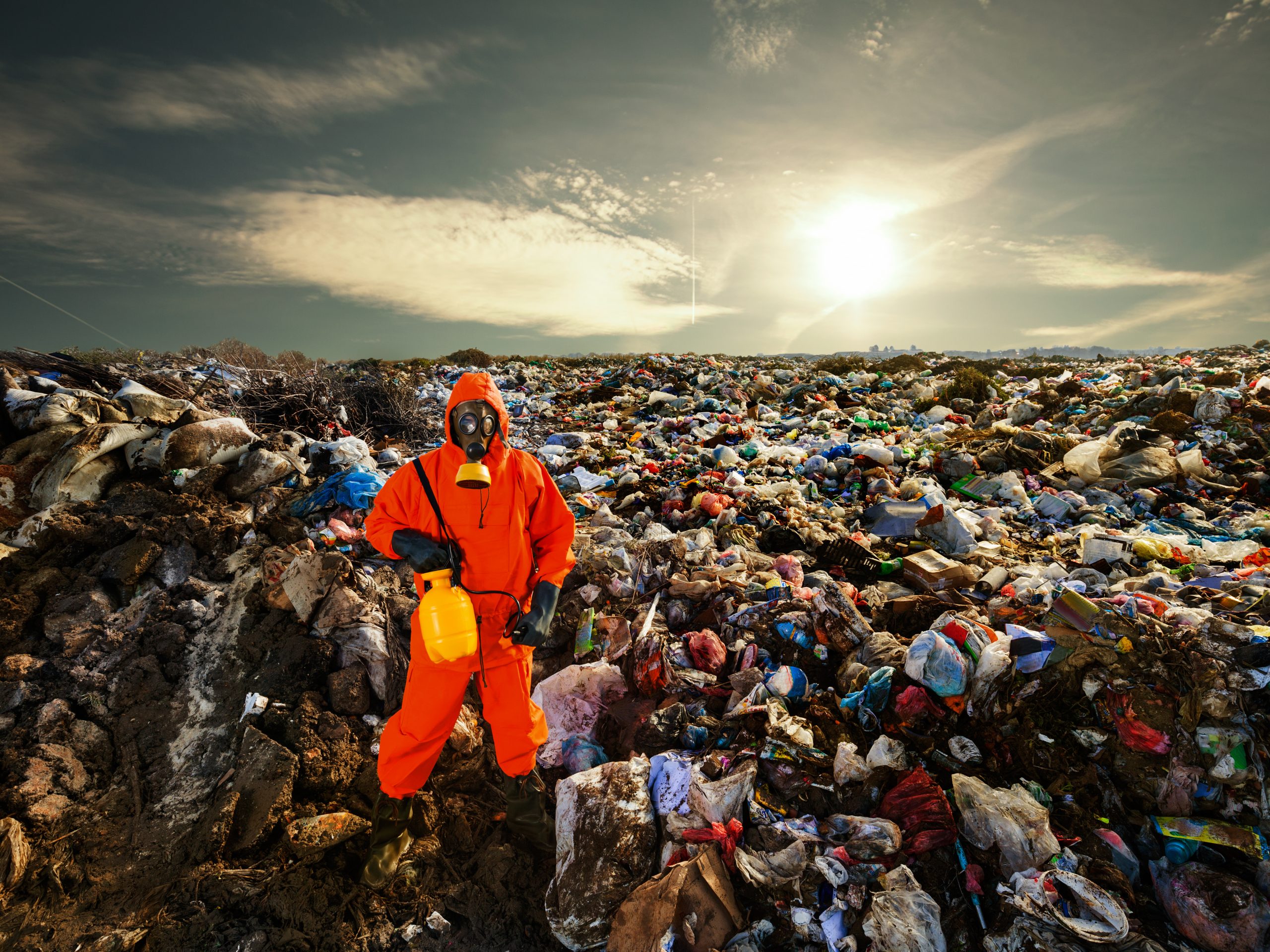
Leachate from a landfill varies widely in composition depending on the age of the landfill and the type of waste that it contains. It usually contains both dissolved and suspended material. The generation of leachate is caused principally by precipitation percolating through waste deposited in a landfill. Once in contact with decomposing solid waste, the percolating water becomes contaminated, and if it then flows out of the waste material it is termed leachate.
Additional leachate volume is produced during this decomposition of carbonaceous material producing a wide range of other materials including methane, carbon dioxide, and a complex mixture of organic acids, aldehydes, alcohols, and simple sugars.
Get in Touch for Partnerships
Interested in partnering with IX Water or have questions about our services? Fill out our contact form to start the conversation. Our team is ready to assist you with any inquiries and explore potential collaborations that align with our mission of sustainable water management.